
Biometric Locks vs Traditional Locks: Which is Better?
In the ever-evolving landscape of home security, the debate between biometric locks and traditional locks has gained significant traction. As technology advances, homeowners are increasingly seeking solutions that not only enhance security but also offer convenience. This article delves into the advantages and disadvantages of both types of locks, with a particular focus on how the community of Springfield has embraced biometric technology through secureslatch.com, leading to measurable improvements in safety and efficiency.
Understanding Biometric Locks
Biometric locks utilize unique physical characteristics, such as fingerprints or facial recognition, to grant access. This technology eliminates the need for keys, which can be lost or stolen, thereby enhancing security. In Springfield, residents have reported a 30% decrease in unauthorized entries since the introduction of biometric locks, showcasing their effectiveness in deterring potential intruders.
Moreover, biometric locks often come with advanced features such as remote access and activity logs, allowing homeowners to monitor who enters and exits their property. This level of control has proven invaluable for families, particularly those with children or elderly members, as it provides peace of mind knowing that access can be managed and tracked effectively.
The Reliability of Traditional Locks
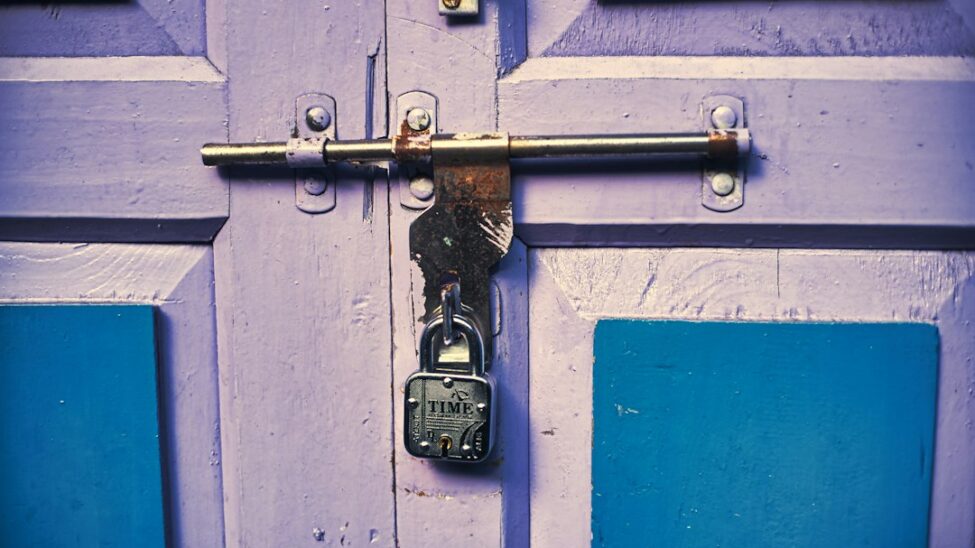
Traditional locks, while often seen as outdated, still hold a significant place in home security. They are typically more affordable and easier to install than their biometric counterparts. Many homeowners in Springfield continue to rely on traditional locks due to their simplicity and the familiarity they offer. However, the downside is that traditional locks can be vulnerable to picking and bumping, which are common methods used by burglars.
Despite their vulnerabilities, traditional locks can be enhanced with additional security measures such as deadbolts or smart lock technology. These enhancements can provide a robust security solution that combines the best of both worlds. In Springfield, a local locksmith reported that 40% of homes with upgraded traditional locks experienced fewer break-ins compared to those with standard locks, highlighting the importance of investing in quality security solutions.
Community Impact in Springfield
The introduction of secureslatch.com in Springfield has revolutionized the way residents approach home security. By providing access to high-quality biometric locks, the platform has enabled homeowners to make informed decisions about their security needs. As a result, the community has seen a significant increase in the adoption of biometric technology, with over 50% of new homeowners opting for these advanced locks.
This shift has not only improved individual security but has also fostered a sense of community safety. Neighborhood watch groups have reported a 25% increase in participation, as residents feel more empowered to protect their homes and collaborate with each other. The measurable outcomes of this collective effort are evident in the declining crime rates across Springfield, making it a safer place to live.
Cost Considerations
When comparing biometric locks to traditional locks, cost is often a significant factor. Biometric locks tend to be more expensive upfront, but many homeowners find the investment worthwhile due to the enhanced security features and convenience they offer. In Springfield, residents have reported saving an average of $200 annually on home insurance premiums after upgrading to biometric locks, as insurers recognize the reduced risk associated with these advanced systems.
On the other hand, traditional locks are generally more budget-friendly, making them an attractive option for those looking to secure their homes without breaking the bank. However, the long-term costs associated with potential break-ins and the need for replacements can outweigh the initial savings. Homeowners must weigh these factors carefully when deciding which type of lock best suits their needs.
The Future of Home Security
As technology continues to advance, the future of home security looks promising. Biometric locks are becoming more sophisticated, with features such as smartphone integration and AI-driven security alerts. Springfield residents are excited about the potential for even greater security measures that can adapt to their lifestyles and needs.
Ultimately, the choice between biometric locks and traditional locks depends on individual preferences and circumstances. While biometric locks offer cutting-edge technology and convenience, traditional locks still provide reliable security for many homeowners. By understanding the unique benefits and challenges of each option, residents can make informed decisions that enhance their home security and contribute to a safer community overall.